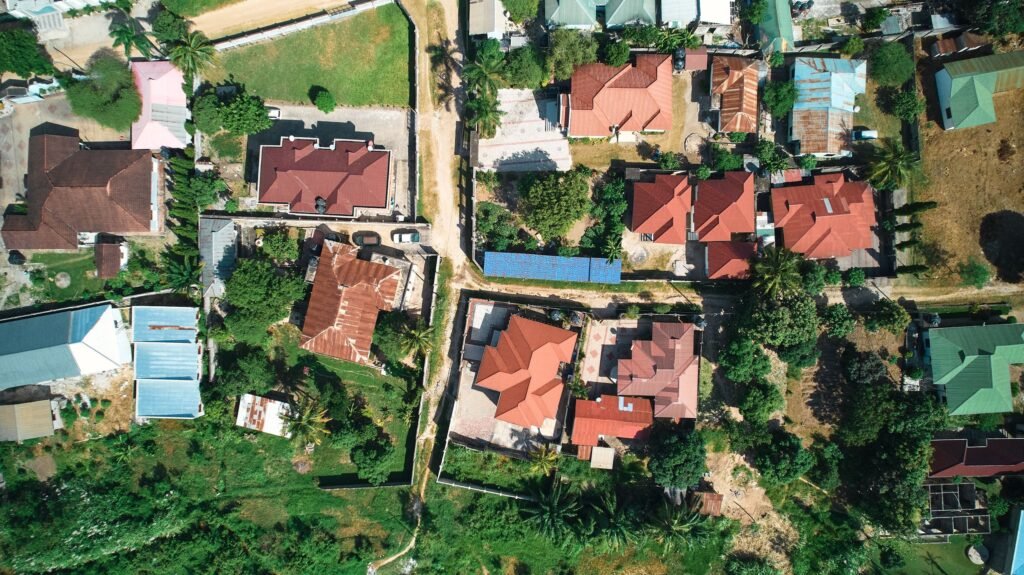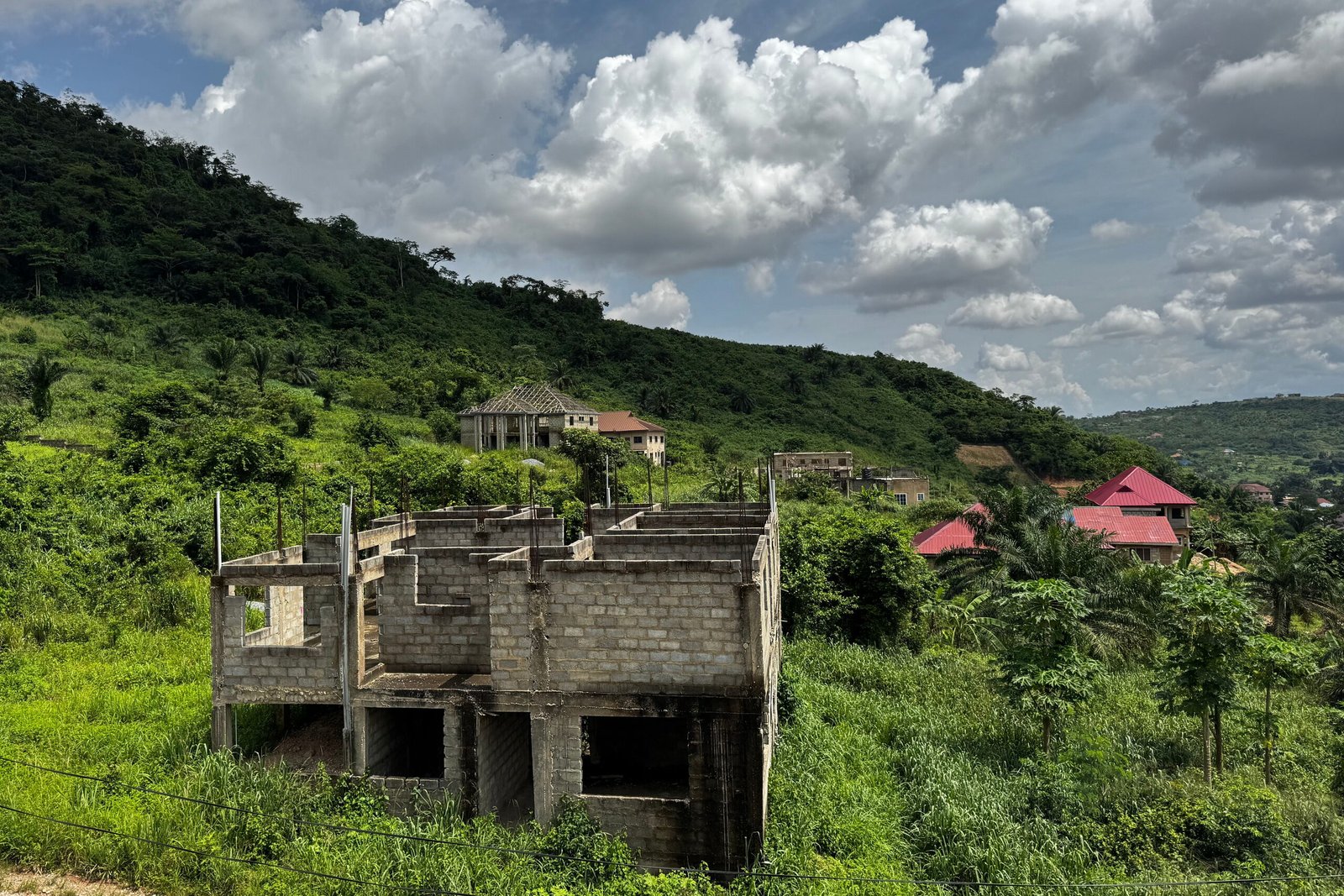
Many people looking for a home in Ghana reach the same question early on: is it better to buy a house that already exists, or to buy land and build? There is no answer that suits everyone. Both routes can lead to a good home, and both can go wrong. What matters is which set of risks and demands fits your money, your time and how closely you can be involved.
This guide compares the two routes on the points that usually decide it. It gives no construction costs or house prices, because these vary widely by location, design, finishes and timing, and a figure that is wrong for your situation is worse than none. Legal and permit details checked on 18 November 2026.
Four questions that usually decide it
Before comparing the routes in detail, it helps to be honest about four things:
- Money: do you already have most of the budget, or will it arrive in stages over months or years?
- Time: do you need somewhere to live by a particular date, or can you wait for a project to finish?
- Control: how much does it matter to you to choose the layout, the size and the finishes yourself?
- Involvement: can you, or someone you trust, follow the work closely, visit the site and make decisions quickly?
Your answers will not make the decision for you, but they will show which route asks less of you.
What buying an existing house offers
The main advantage of buying a finished house is that you can see what you are paying for. You can walk through it, check the condition, test the water and electricity, and judge the neighbourhood as it is today rather than as it might become. The price is agreed before you commit, so the main cost is known from the start, although you still need to budget for the costs around the purchase. Our article on understanding property budgets in Ghana covers those.
If you need to move by a particular date, buying is usually the more predictable route, because there is no construction period to wait for.
The trade-off is choice. You take the house as it was designed and built, and changing it later costs money, and structural alterations or renovations need a development permit from the District Assembly.
What to check when you buy
A finished house still needs careful checks:
- The land and the seller’s right to sell. Confirm who holds the land and what interest you are buying. Our guides to freehold, leasehold and customary land and to property due diligence in Ghana explain the checks.
- The paperwork for the building itself. Under the Land Use and Spatial Planning Act, 2016 (Act 925), physical development needs a permit from the District Assembly, and a building may not be used without a certificate of habitation. Ask the seller for the development permit and the certificate of habitation, and check them with the Assembly.
- The written agreement. Under the Land Act, 2020 (Act 1036), a transfer of an interest in land must, apart from some exceptions, be in writing and signed by both the person transferring it and the person receiving it, or by their agents authorised in writing. A transfer made any other way does not give the buyer an interest in the land. Have a lawyer prepare or review the agreement before you pay.
- The agent, if there is one. Under the Real Estate Agency Act, 2020 (Act 1047), a person may not provide real estate agency services or act as a broker or agent unless licensed under that Act, and the Real Estate Agency Council keeps a register of licensed brokers and agents that is open for inspection.
Before you pay, ask the District Assembly where the property is situated to confirm three things: that a development permit was issued for the house, that a certificate of habitation was issued, and whether any enforcement notice or other enforcement issue affects the property. This check is worth making because Act 925 allows an Assembly to order a development that does not conform to the approved plan to be altered or pulled down, after serving notice on the owner of the land. If anything is unclear, ask your lawyer what it means for your purchase.
What building your own house offers
Building gives you control. You choose the land, the design, the size and the finishes, and you can plan the house around how your household lives. Many people also find that building lets them spread spending over time, paying for each stage as money becomes available, rather than finding the whole price at once.
That control comes with responsibility. When you build, you take on the decisions and risks a developer or seller would otherwise carry: the land, the design, the permit, the contractor, the supervision and the cost of anything that goes wrong.
The land comes first
You will usually buy land before anything else, so the same land checks apply as when buying a house, and arguably matter more, because you will then invest a great deal on top of it. Confirm who holds the land, what interest you are acquiring, and whether the site plan matches the plot on the ground. The Lands Commission’s certificate search service is one starting point.
The permit is not optional
Act 925 says a person may not undertake physical development of land in a district unless the District Assembly where the land is situated has issued a permit. Building without one is an offence that can lead to a fine, imprisonment or both.
The Land Use and Spatial Planning Regulations, 2019 (L.I. 2384), made under the Act, say a development permit combines planning permission and building permission. The application goes with four sets each of a site plan, a block plan, architectural drawings and structural drawings, together with evidence of a right to use the land and, where they apply, specialist reports. Each Assembly charges a processing fee and a permit fee under its own fee-fixing resolution, and may also charge a development charge, so ask your Assembly for its current fees and checklist.
The finish line is the certificate of habitation
A house is not ready to live in just because the builders have left. A building may not be used without a certificate of habitation, and under L.I. 2384 the District Planning Authority issues it within fourteen days after inspecting the completed development, once the owner has shown that the permit’s conditions have been met. Keep the permit, approved drawings and records together from the start.
Time and supervision
Building usually takes longer than buying, and the timeline depends on things you only partly control: how money arrives, how materials are sourced, how reliable your contractor is and how quickly decisions are made. Build in time for delays, and do not plan to move out of your current home until the house is finished and certified.
Someone needs to watch the work. If you cannot visit the site regularly, arrange independent supervision rather than relying only on the contractor’s own reports, and tie payments to stages of work that have actually been completed. This matters especially if you are building from abroad; our guide for diaspora buyers looks at managing property decisions from a distance.
Comparing the costs honestly
It is common to hear that building is cheaper than buying, or the other way round. Neither is true in general. The comparison depends on the location, the land, the design, the finishes, the contractor and how long the project takes. What you can do is make sure you are comparing the full cost of each route, not a headline figure for one against a partial figure for the other.
For a house you buy, include:
- the agreed price;
- legal fees and the cost of the land and document checks;
- registration costs and any taxes on the transfer;
- repairs or changes you plan to make after moving in.
For a house you build, include:
- the land and its checks and registration;
- design and other professional fees;
- permit fees and any development charge;
- materials and labour for every stage, including finishing;
- connecting water and electricity;
- supervision, if you are not on site yourself;
- a contingency for price changes and overruns;
- what you will spend on rent or other housing while the work continues.
Ask professionals for current figures for your location and design, and compare them on the same basis. A quantity surveyor can estimate building costs; a valuer can advise on what an existing house is worth.
A middle route: buying from a developer
Some buyers choose a house from a developer, either finished or still being built. A finished home in a development gives you most of the predictability of buying. Buying off-plan, before the house is complete, shares some of the waiting and some of the risk of building, while leaving the construction itself to the developer. If you are considering this, our article on off-plan property in Ghana sets out the questions to ask first.
A short checklist to help you decide
- Budget: do you have the money already, or will it come in stages?
- Deadline: do you need to move by a fixed date?
- Control: how much do you want to choose the design and finishes?
- Involvement: who will visit the site, check the work and make decisions?
- Land: whichever route you take, have the land and title checks been done?
- Building paperwork: for a house you buy, are there a development permit and a certificate of habitation; for a house you build, do you know your Assembly’s checklist and fees?
- Full costs: have you compared the complete cost of both routes, not just the headline figures?
Whichever route you lean towards, our starting checklist for buying property in Ghana is a useful next step.
If you would like help weighing up the two routes for your situation, or would like to see available homes before deciding whether to build, you can contact Bright.
This article is general educational information about choosing between buying and building a house in Ghana, not legal, planning, financial or construction advice. Permit requirements and fees differ between District Assemblies and change over time, so confirm them with your Assembly. Have a qualified lawyer review any purchase agreement or land documents, and ask a quantity surveyor, valuer or other qualified professional for costs and values. See our Editorial Disclaimer for more detail.