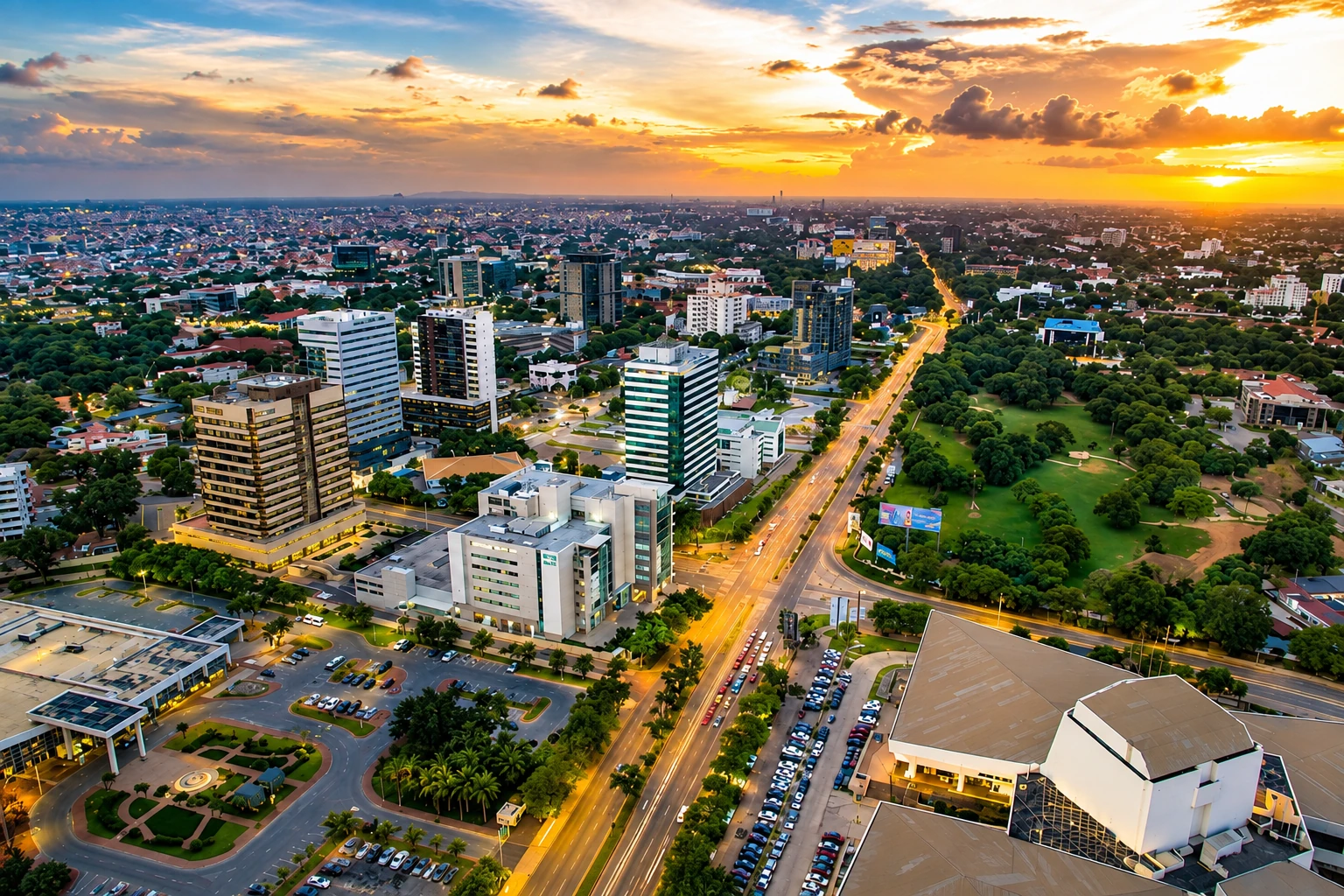
Greater Accra is not one property market — it’s dozens of smaller ones, each with a different character, infrastructure situation, and set of trade-offs. Two properties ten minutes apart can differ enormously in flood risk, road access, or how easily services reach them. Choosing a location well means asking specific questions about a specific area, not relying on an area’s general reputation.
This guide doesn’t rank neighbourhoods or tell you where to buy — that depends entirely on your own budget, purpose, and priorities, and any claim that one area is simply “the best” or “guaranteed to grow” should make you cautious, not confident. Instead, here are the questions worth asking about any specific location before you commit.
Start with purpose, not popularity
A location that’s right for a family home may be wrong for a rental property, and a location that’s right for a rental property may be wrong for a retirement home. Before comparing areas, be clear with yourself about what the property needs to do: house your family day to day, generate rental income, sit close to work or school, or serve as a base for periodic visits. The “best” area changes depending on the answer.
Access and commute, in practice — not in theory
Distance on a map and distance in Accra traffic are two different things. Before deciding, it’s worth actually travelling the route you’d take regularly — to work, to school, to family — at the times of day you’d actually be doing it, not just once on a quiet weekend. Ask what the main access roads are, whether there’s more than one way in and out, and whether that access has historically been reliable.
Flooding and drainage
Parts of Greater Accra are known to flood in heavy rain, and low-lying or poorly drained plots can be seriously affected even when the surrounding area seems fine. This is one of the most practical, concrete questions you can ask a local resident, a surveyor, or the local assembly directly: has this specific plot, or the immediate area around it, flooded before, and what’s the natural drainage like. Don’t rely on a seller’s or agent’s reassurance alone — ask independently, and ask people who live nearby, not just people involved in selling the property.
Utilities and services
Confirm, rather than assume, that mains electricity, a reliable water supply, and (if relevant to you) fixed internet actually reach the specific plot — not just the general neighbourhood. In newer or less developed areas, some services may need to be extended at the buyer’s or developer’s cost, which changes your real budget. Ask what’s already connected, what’s planned, and who is responsible for extending anything that isn’t there yet.
Zoning and what could be built next door
The empty plot next to a quiet residential property today could become something very different tomorrow. Local assemblies maintain planning and zoning information for their areas — it’s worth asking what’s permitted on neighbouring plots, and being realistic that zoning can also change over time. This matters more the more an area is actively developing.
Noise, security, and daily life
Visit at different times — during the day and in the evening, on a weekday and a weekend if you can. Notice traffic noise, nearby commercial activity, construction, and general activity levels. If security is a priority for you, ask about the area’s general reputation from multiple independent sources, not just the seller or agent, and look at practical signals like street lighting and how well-maintained the immediate surroundings are.
Planned infrastructure, not just current infrastructure
Roads, drainage works, and public infrastructure in a fast-developing area can change significantly over a few years — sometimes for the better, sometimes bringing disruption (construction noise, temporary access problems) before things improve. Ask the local assembly or residents what’s actually planned for the area, rather than relying on general optimism about “up and coming” locations. Be cautious of any claim that a specific infrastructure project is guaranteed or imminent unless you can verify it through an official source — planned projects are routinely delayed or changed.
Land tenure in that specific area
Different parts of Greater Accra sit on different categories of land — customary (stool) land, state land, or private freehold — and this affects the due diligence a purchase in that specific area requires. Don’t assume the tenure situation is the same everywhere; ask specifically about the area you’re considering, and see our article on property due diligence for what to check once you’ve identified a specific plot.
Questions to ask before you decide
- What is this property actually for — a home, a rental, a long-term hold — and does this area suit that specific purpose?
- Have I travelled the real commute at the times I’d actually make it?
- Has this specific plot or its immediate area flooded before, according to people who actually live nearby?
- Are electricity, water, and other services actually connected to this plot today, not just planned?
- What is permitted on the neighbouring plots, and could that change?
- Have I visited at more than one time of day, on more than one day of the week?
- What category of land tenure applies here, and have I asked independently rather than relying on the seller’s summary?
A sensible next step
Treat location research as its own stage of the process, separate from evaluating a specific property — get comfortable with an area on its own merits before you fall for a particular listing in it. Once you’ve identified a location and a specific property, our article on property due diligence covers what to verify before paying anything.
For a wider starting point, see our Ghana Property Buyer Guides hub.
This article is general educational information, not individualised advice. Area conditions change over time — always verify current conditions independently rather than relying on this or any other single source. See our Editorial Disclaimer for more detail.

Leave a comment