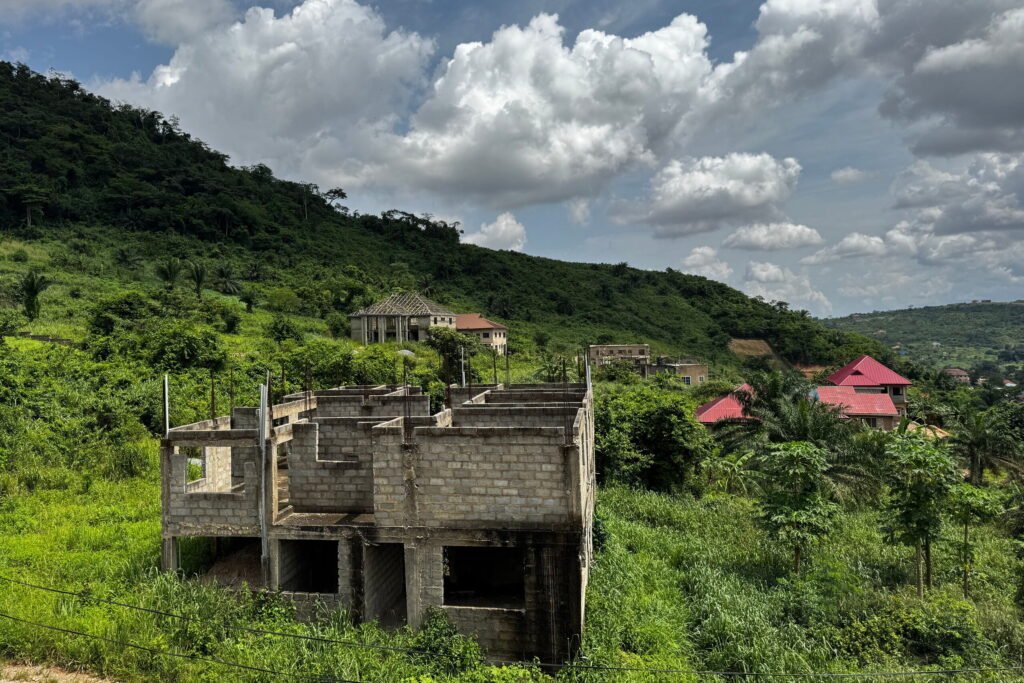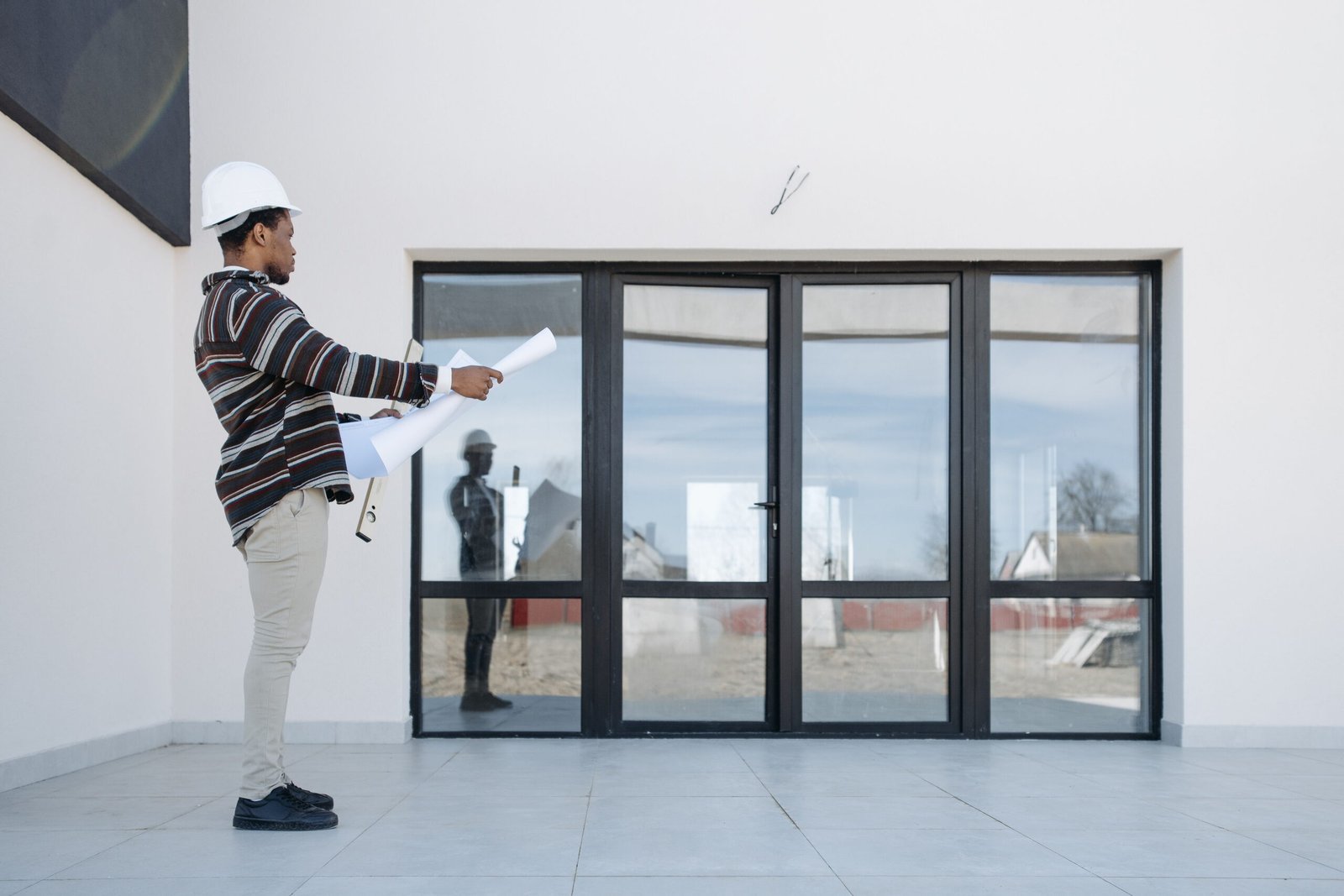
Photographs show a house at its best. A viewing is your chance to see what they leave out: how the house sits on its plot, how it has stood up to rain and sun, whether the water runs and the sockets work, and what the street is like. It is easy to be carried along by a good first impression, so it helps to arrive with a plan.
This guide sets out what to look at, test and ask while you are there. It is not a substitute for a professional inspection, but it will help you decide whether a house deserves one.
Before you go in: the plot and the street
Start outside, and take your time.
- Access. How easy is it to reach the house by car and on foot? Note the condition of the access road and whether it would still be passable in heavy rain.
- Drainage. Look at the gutters and drains around the plot and on the street. Are they clear, and where does water go? Look for marks on walls or fences that suggest standing water.
- Boundaries. Is the plot walled or fenced, and does the boundary on the ground look consistent with the site plan you have been shown?
- The building’s position. Look at how close the house is to the boundaries, the road and neighbouring buildings. Under the Land Use and Spatial Planning Regulations, 2019 (L.I. 2384), the matters a District Spatial Planning Committee considers for a development permit include plot coverage, building lines and setbacks, and access to the site, facilities and utilities. You cannot judge compliance by eye: the approved drawings show what was permitted, and a surveyor can check whether the house matches them.
- The neighbourhood. Notice what is around the house: other homes, businesses, open land, a busy road or a drain.
The outside of the house
- Walls. Look for cracks, especially long or diagonal ones, cracks around windows and doors, and areas where plaster is coming away.
- Roof. From the ground, look at the roof covering, the fascia boards and any sagging. Ask how old the roof is and whether it has leaked.
- Damp. Look for dark patches or flaking paint at the base of walls.
- Water storage. If there is a tank or a borehole, ask where the water comes from and how it is stored.
Inside, room by room
Work through the house methodically rather than following the person showing you round.
- Ceilings. Brown stains often mean a roof or plumbing leak, past or present.
- Walls and floors. Look for cracks, uneven floors, loose tiles and damp patches, including inside wardrobes.
- Doors and windows. Open and close them. Check the locks, the burglar-proofing and whether windows sit square in their frames.
- Kitchen and bathrooms. Turn on the taps, flush the toilets and run the showers. Watch how quickly water drains, and look under sinks for leaks.
- Electrics. Try the switches and sockets. Look at the distribution board and ask when the wiring was last checked. Ask what kind of electricity meter the house has and how it is paid for.
- Ventilation and light. Notice how the rooms feel at the time of day you are visiting, and which way they face.
Take photographs and notes as you go, with the owner’s permission. They will help when you compare houses later.
Questions to ask at the viewing
- How old is the house, and what major work has been done on it?
- Have there been any leaks, floods or structural repairs?
- Where do the water and electricity come from, and how reliable are they?
- How is waste water and sewage handled?
- What is included in the sale?
- Are the utility bills and the Assembly’s property rate paid up?
- Can the seller show the development permit and the certificate of habitation? Under the Land Use and Spatial Planning Act, 2016 (Act 925), physical development needs a permit from the District Assembly, and a building may not be used without a certificate of habitation.
Write the answers down. If an answer matters to your decision, ask for it in writing later.
When to bring in a professional
A buyer’s viewing can spot warning signs, but it cannot tell you why a wall has cracked or whether the wiring is safe. If you are seriously interested in a house, especially one with visible cracks, signs of damp or an uncertain history, ask a qualified surveyor, structural engineer or electrician to inspect it before you commit. A valuer can tell you what it is worth, and a lawyer should check the land and documents. Our article on property due diligence in Ghana explains the document checks.
After the viewing
While it is fresh, write down what you liked, what concerned you and what you still need to find out. Visit the area again at a different time of day, for example during the morning or evening traffic. Our guide to choosing a location in Greater Accra sets out the questions to ask about an area.
A short checklist
- Access, drainage and boundaries outside.
- Walls, roof, damp and water storage.
- Ceilings, floors, doors, windows, plumbing and electrics inside.
- Water, electricity, sewage and what is included.
- Permit and certificate of habitation.
- Notes and photographs, then a professional inspection if you are serious.
If you are buying from abroad and someone else will view for you, give them this list. Our guide for diaspora buyers looks at buying from a distance.
If you would like help viewing a house or deciding what a viewing has shown you, you can contact Bright.
This article is general educational information about house viewings in Ghana, not a survey, and not structural, electrical or legal advice. A viewing cannot replace an inspection by a qualified surveyor or engineer, or legal checks by a qualified lawyer. See our Editorial Disclaimer for more detail.